Aral Program Materials
ARAL Program: Free Learning Materials from Deped
The landscape of Philippine education is shifting. With the enactment of Republic Act No. 12028, better known as the Academic Recovery and Accessible Learning (ARAL) Program Act, the Department of Education (DepEd) has launched a national offensive against learning loss (DepEd, 2026). Whether you are a dedicated teacher, a concerned parent, or a community tutor, having the right ARAL Program materials is the key to unlocking a student’s potential.
In this comprehensive guide, we don’t just give you a list of links. We dive deep into the pedagogical “why” behind these resources, how to use them effectively, and—most importantly—where you can download them for free.
Table of Contents
What is the ARAL Program?
The ARAL Program is a national learning intervention designed to help learners from Kindergarten to Grade 10 achieve essential competencies in Reading, Mathematics, and Science (DepEd, 2026). It targets students who are struggling to meet grade-level expectations or those who have returned to school after dropping out (often referred to as Balik-Aral).
Key Objectives of the ARAL Program:
Recovery: Identifying and bridging learning gaps caused by school interruptions.
Access: Providing free, high-quality tutoring and instructional materials.
Mastery: Ensuring students don’t just “pass” but actually master foundational skills like phonemic awareness and critical thinking.
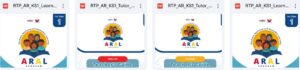
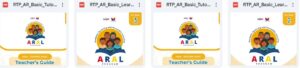
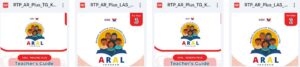
Download here the Aral Program Materials!
Essential ARAL Program Materials for Every Grade Level
The beauty of ARAL is its structured approach. Materials are typically categorized by “Key Stages” to ensure age-appropriate intervention. Below is a breakdown of the core materials you will encounter.
1. ARAL-Reading Materials (Key Stage 1: Grades 1–3)
The focus here is foundational literacy. These materials are built around the “Big 6” of reading: Oral Language, Phonological Awareness, Phonics, Fluency, Vocabulary, and Comprehension (DepEd, 2025).
Phonics Instruction Sheets: Systematic guides for decoding sounds.
Leveled Storybooks: Tales that increase in complexity as the child progresses.
Letter Tiles & Picture Cards: Tactile tools for hands-on learning.
Reading Passages: Short, localized stories that resonate with the Filipino experience.
2. ARAL-Mathematics Materials
Math intervention focuses on moving from concrete objects to abstract concepts.
Counting Manipulatives: Visual aids for basic operations.
Word Problem Sets: Contextualized problems involving Filipino currency and real-life scenarios.
Skill Builders: Worksheets focused on multiplication, division, and later, algebraic thinking.
3. Assessment Tools
You cannot fix what you haven’t measured. The ARAL Program relies heavily on the Comprehensive Rapid Literacy Assessment (CRLA) and the Rapid Mathematics Assessment (RMA) to profile learners (DepEd, 2025).
| Material Type | Purpose | Primary Audience |
| Tutor’s Guide | Lesson plans and pedagogical strategies | Teachers/Volunteers |
| Learner’s Workbook | Exercises, drills, and formative tests | Students |
| Activity Sheets (LAS) | Short, focused tasks for daily practice | Students |
| Progress Trackers | Monitoring weekly and monthly growth | Teachers/Parents |
How to Use ARAL Materials Effectively: The "Pagganyak" Method
Simply handing a child a worksheet isn’t enough. The ARAL Program recommends a specific session structure to maximize engagement (DepEd, 2025):
Pagganyak (Motivation): Start with a song, a game, or a short story to spark interest.
Pagtalakay (Discussion): Introduce the new concept using clear, simple language.
Pagsasanay (Practice): Use the ARAL activity sheets for guided and independent work.
Pagtitibay (Reinforcement): Provide a “take-home” task to involve parents in the learning process.
“Instead of solely focusing on weaknesses, the intervention should capitalize on learners’ strengths to boost their confidence.” — ARAL Program Key Stage 1 Teacher’s Guide (DepEd, 2025).
Share to your friends!
Where to Download ARAL Program Materials for Free
Access to quality education should never be behind a paywall. You can download the latest, official ARAL Program materials for free through these verified channels:
DepEd Learning Resource Portal: The primary hub for all digital SLMs (Self-Learning Modules) and LAS (Learning Activity Sheets).
Official Region/Division Sites: Many SDOs (Schools Division Offices) provide “contextualized” materials that use local dialects or cultural references.
Teacher Resource Communities: Trusted platforms like DepEd Libre often compile these files into easy-to-access Google Drive folders for the community.


Frequently Asked Questions
Q: Who can be a tutor in the ARAL Program? A: While DepEd teachers are the primary facilitators, the program also engages para-teachers, volunteer college students, and community members under the supervision of school heads (DepEd, 2026).
Q: Is the ARAL Program different from the National Learning Camp (NLC)? A: Yes, but they are related. The NLC usually happens during school breaks, whereas the ARAL Program is a year-round national intervention framework established by law (RA 12028).
Q: Are there materials for Grade 7–10? A: Yes! While much of the buzz is around Key Stage 1, ARAL also covers Science, Math, and Reading for Junior High School, focusing on academic vocabulary and complex problem-solving.
Final Thoughts
The ARAL Program materials are more than just paper and ink; they are a lifeline for students who have fallen behind. By using these structured, research-based resources, we can ensure that no Filipino child is left behind in the post-pandemic era.
Don’t forget to share this guide with your fellow educators and parents! Together, we can make academic recovery a reality.
References
Department of Education. (2025). Implementing guidelines for ARAL-Reading in Key Stage 1 (DepEd Memorandum No. 064, s. 2025). https://www.deped.gov.ph/wp-content/uploads/DM_s2025_064r.pdf
Department of Education. (2026). Implementing rules and regulations of Republic Act No. 12028 titled “Academic Recovery and Accessible Learning (ARAL) Program Act.” https://www.deped.gov.ph/wp-content/uploads/IRR_R.A.-12028_ARAL-ACT.pdf
Department of Education. (2025). ARAL Program Key Stage 1 teacher’s guide. https://www.scribd.com/document/910060550/ARAL-Tutor-s-Guide-English-KS1
Disclaimer:
Some educational materials may be inspired by or aligned with DepEd curriculum standards.
However:
All materials uploaded or created are intended to support teachers and students.
If any copyrighted content is unintentionally shared, please contact us here depedlibre@gmail.com immediately for removal or proper attribution.
We respect intellectual property rights and respond promptly to valid copyright concerns.
Don’t forget to Follow our Facebook page for more free learning materials!
Latest News!
Download more files below!
- Adviser Files
- Aral Program Materials
- Brigada Eskwela Files
- COT Lesson Plans
- Daily Lesson Log (DLL)
- Deped Files
- Deped Modules
- Graduation Program/Files
- Homeroom Guidance Modules
- Matatag Curriculum Guide
- Matatag Lesson Exemplars
- National Learning Camp Files
- NAT Reviewer (New)
- Periodical Test (All Subjects)
- PowerPoint Game Templates
- Summative Tests/ Perfor Task
- Teacher Loans


Recent Posts
Download (by grade level)!
Grade 9 Files
Grade 10 Files
Grade 11 Files
Grade 12 Files