
Anti Bullying PPT DepEd
The Complete Guide to Anti-Bullying PPT Resources for DepEd Schools: Create Safer Learning Environments
Introduction
Bullying remains a persistent challenge in Philippine schools, affecting the mental health, academic performance, and overall well-being of thousands of students. According to the Department of Education (DepEd), creating a safe and supportive learning environment is not just an administrative responsibility—it’s a moral imperative that requires the commitment of every stakeholder, from teachers and administrators to parents and students themselves.
The Anti-Bullying Act of 2013 (Republic Act No. 10627) has provided schools with a legal framework to address bullying comprehensively. However, understanding the law is only the first step. Schools need practical, engaging resources—including well-crafted PowerPoint presentations—to educate their communities about bullying prevention and intervention.
This comprehensive guide will walk you through everything you need to know about anti-bullying PPT presentations in the context of DepEd guidelines, providing actionable insights for teachers, administrators, and educators across all grade levels.
Table of Contents
Understanding Anti-Bullying in the DepEd Context
What is Bullying According to RA 10627?
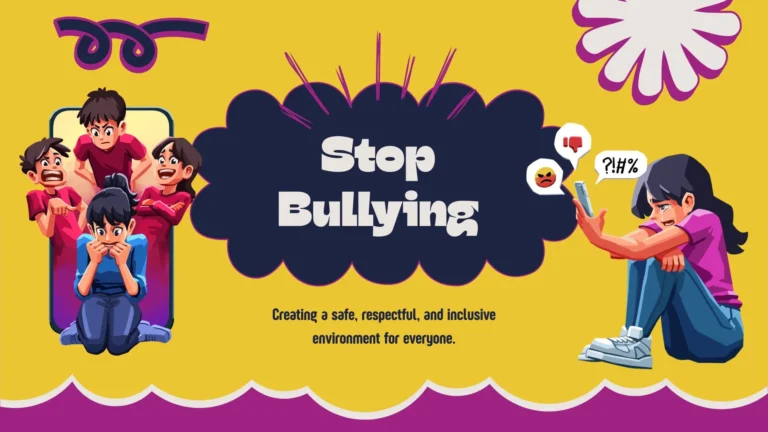
The Anti-Bullying Act of 2013 defines bullying and establishes the roles of bullies, victims, and bystanders, while providing examples of bullying behaviors and stipulating protocols for intervention and reporting.
Bullying encompasses several forms that schools must address:
- Physical Bullying – Hitting, pushing, kicking, or any form of physical violence
- Verbal Bullying – Name-calling, insults, taunting, and hurtful language directed at a student’s appearance, abilities, or personal characteristics
- Social/Relational Bullying – Exclusion, spreading rumors, public humiliation, or damaging someone’s social relationships
- Cyber-bullying – Harassment, intimidation, or humiliation conducted through texting, email, instant messaging, chatting, internet, social media, online games, or other platforms
Why Anti-Bullying PPT Presentations Matter
PowerPoint presentations serve as powerful educational tools that make complex information accessible and engaging. Well-designed anti-bullying PPTs help:
- Increase Awareness among students about what constitutes bullying
- Build Empathy by helping students understand the impact of their actions on victims
- Clarify Procedures for reporting bullying incidents
- Engage Multiple Learning Styles through visual, auditory, and interactive content
- Create a Shared Understanding of bullying prevention across the entire school community
Key DepEd Issuances You Must Know
DepEd Order No. 40, s. 2012 – Child Protection Policy
This foundational order establishes the framework for creating child-safe schools. It requires schools to:
- Develop child protection committees
- Create incident intake sheets
- Establish clear reporting procedures
- Maintain confidentiality and protect the privacy of all parties involved
DepEd Order No. 55, s. 2013 – Implementing Rules and Regulations (IRR) of RA 10627
DepEd Order No. 55 mandates schools to adopt policies to prevent and address bullying, tasks schools with implementing these policies, monitoring incidents, and ensuring the rights and safety of all students involved.
Key provisions include:
- All elementary and secondary schools must adopt anti-bullying policies
- Schools must establish Child Protection Committees
- Documentation of all bullying incidents is mandatory
- Anti-retaliation protections for those who report bullying
- Rehabilitation programs for perpetrators
DepEd Order No. 18, s. 2015 – Guidelines on Child Protection Committees
This order provides detailed guidance on establishing and maintaining effective Child Protection Committees in schools, which serve as the primary body for investigating bullying complaints and recommending interventions.
Essential Elements of Effective Anti-Bullying PPT Presentations
- Clear Definition and Context
What to Include:
- Clear, student-friendly definition of bullying
- Distinction between bullying and normal conflict
- Examples of behaviors that constitute bullying
- Context: Why bullying is a problem in Philippine schools
- Connection to RA 10627 and school policies
- Impact and Consequences
Presentation Focus:
- Psychological impact on victims (depression, anxiety, low self-esteem)
- Academic consequences (poor grades, school avoidance)
- Physical health effects
- Impact on the school community
- Legal and disciplinary consequences for perpetrators
- Types of Bullying with Real Scenarios
Create relevant scenarios that resonate with your student population:
Type of Bullying | Example Scenario | Appropriate Response |
Physical | A student consistently pushes another student in the hallway | Report to teacher/guidance counselor immediately; document incident; parent conference required |
Verbal | Students mock another student’s appearance daily in class | Counsel both parties; issue warning; monitor for continued behavior |
Social | A group excludes a classmate from group projects and lunch | Teacher intervention; facilitate peer mediation; monitor social dynamics |
Cyber-bullying | Hateful comments posted about a student on social media | Report to school authorities; involve parents; cybersecurity expert consultation recommended |
- Roles and Responsibilities
Clearly Define:
- Students’ Role: How to recognize bullying, when and how to report, supporting victims, refusing to participate in bullying
- Teachers’ Role: Creating safe classroom environments, responding to reports, documenting incidents, involving parents
- Parents’ Role: Monitoring behavior, discussing bullying prevention, supporting victims, cooperating with school investigations
- School Administrators’ Role: Implementing anti-bullying policies, training staff, investigating cases, ensuring due process
- Guidance Counselors’ Role: Providing psychosocial support, conducting interventions, facilitating mediation
- Reporting and Investigation Procedures
All bullying incidents or retaliation must be immediately reported to the teacher, guidance counselor or any designated person, with an intake sheet filled up and parents or guardians informed about the incident.
Your PPT Should Cover:
- Who to report to (multiple reporting channels)
- How to report (verbal, written, anonymous)
- Timeline for investigation (within specific days)
- Investigation process and documentation
- Decision-making procedures
- Appeal process (to Division Office)
- Confidentiality protections
- Due Process and Student Rights
Important Elements:
- Right to be informed in writing of complaints
- Right to answer charges with parent/guardian assistance
- Right to school head’s written decision with basis
- Right to appeal
- No retaliation protections
- Privacy protections throughout the process
- Prevention Strategies
Go beyond reporting—show how to prevent bullying:
- Peer Support Programs: Buddy systems, peer mediation
- Classroom Interventions: Cooperative learning, team-building activities
- School-Wide Initiatives: Anti-bullying campaigns, awareness week activities
- Digital Literacy: Teaching responsible online behavior
- Emotional Intelligence: Building empathy and conflict resolution skills
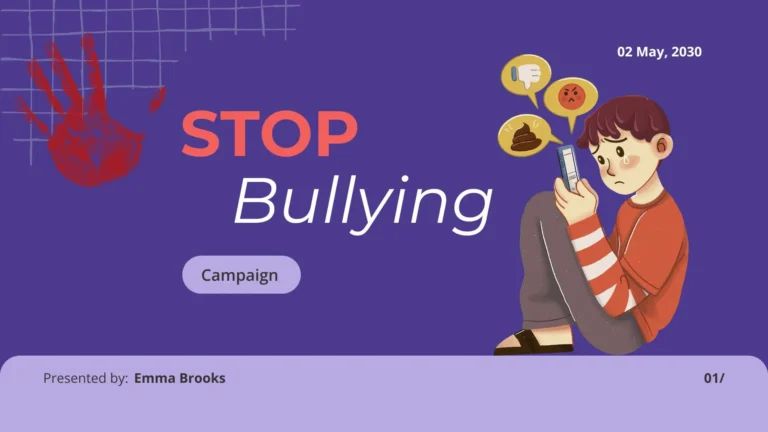
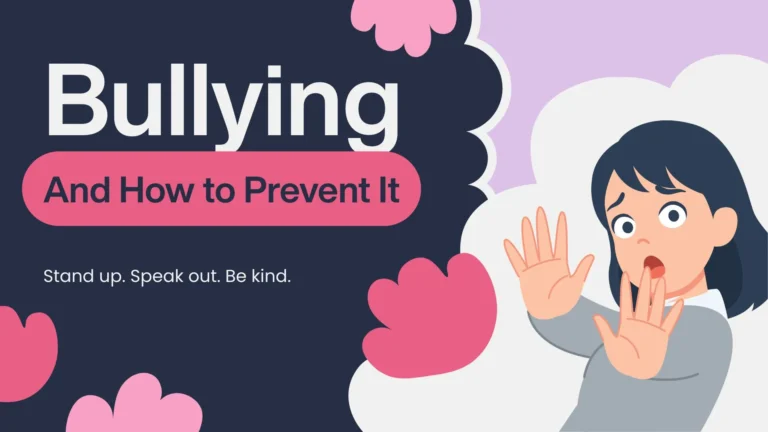
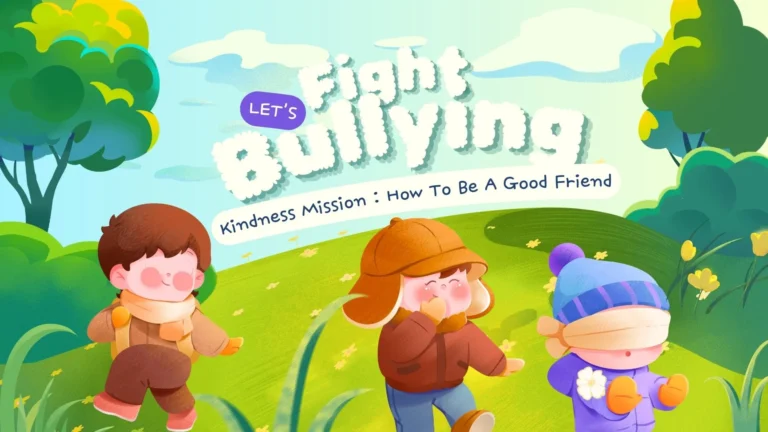
Check the Anti Bullying PPT DepEd Presentations here!
Check here the FREE Anti Bullying PPT DepEd presenations that you can download and edit.
Download the PPT presentations here !
Download the PPT presentations here !
Download the PPT presentations here !
Download the PPT presentations here !
Download the PPT presentations here !
Download the PPT presentations here !
Share to your friends!





Grade-Level Specific Approaches for Anti-Bullying PPTs
Elementary School (Grades 1-3)
- Simple, concrete language and definitions
- Use stories and characters to illustrate concepts
- Focus on “telling a trusted adult”
- Interactive activities (role-playing, drawing)
- Age-appropriate consequences
Upper Elementary (Grades 4-6)
- More detailed scenarios relevant to their age group
- Introduction to cyber-bullying awareness
- Emphasis on empathy and perspective-taking
- Peer leadership opportunities
- Consequences explained more thoroughly
Junior High School (Grades 7-9)
- Complex scenarios including cyber-bullying
- Discussion of social media risks
- Understanding of brain development and impulse control
- Accountability and rehabilitation focus
- Student leadership in anti-bullying initiatives
Senior High School (Grades 10-12)
- Legal implications of bullying behavior
- Ethical discussions about responsibility
- Mentorship of younger students
- Understanding mental health impacts
- Career and college implications of bullying behavior
Disclaimer:
Some educational materials may be inspired by or aligned with DepEd curriculum standards.
However:
All materials uploaded or created are intended to support teachers and students.
If any copyrighted content is unintentionally shared, please contact us here depedlibre@gmail.com immediately for removal or proper attribution.
We respect intellectual property rights and respond promptly to valid copyright concerns.
Frequently Asked Questions About Anti-Bullying PPT Presentations
Q1: Can parents attend anti-bullying presentations?
Yes! Parent attendance is highly encouraged. Consider hosting separate sessions for parents using child-friendly language adapted for adult understanding of DepEd policies.
Q2: How often should anti-bullying presentations be conducted?
At minimum, annually for all students. However, best practice suggests:
- New students: Within first month of school
- All students: At least once yearly
- Risk situations: As needed for specific groups
Q3: Should anti-bullying presentations include discipline information?
Yes, but frame it positively as “accountability and growth opportunities.” Students need to understand consequences but also rehabilitation possibilities.
Q4: How can we handle cyberbullying that occurs outside school hours?
While DepEd primarily addresses on-campus bullying, if incidents involve students and significantly impact the school environment, the school may take action. Your PPT should clarify these boundaries.
Q5: What if a bullying presentation triggers trauma responses in students?
Be prepared with guidance counselor presence. Have referral information available. Create a safe way for students to request follow-up support privately.
Don’t forget to Follow our Facebook page for more free learning materials!
Latest News!
Download more files below!
- Adviser Files
- Aral Program Materials
- Brigada Eskwela Files
- COT Lesson Plans
- Daily Lesson Log (DLL)
- Deped Files
- Deped Modules
- Graduation Program/Files
- Homeroom Guidance Modules
- Matatag Curriculum Guide
- Matatag Lesson Exemplars
- National Learning Camp Files
- NAT Reviewer (New)
- Periodical Test (All Subjects)
- PowerPoint Game Templates
- Summative Tests/ Perfor Task
- Teacher Loans


Recent Posts
Download (by grade level)!
Grade 9 Files
Grade 10 Files
Grade 11 Files
Grade 12 Files
Can I ask for a copy of anti bullying ppt?